TMJ Treatment Options in General Dentistry
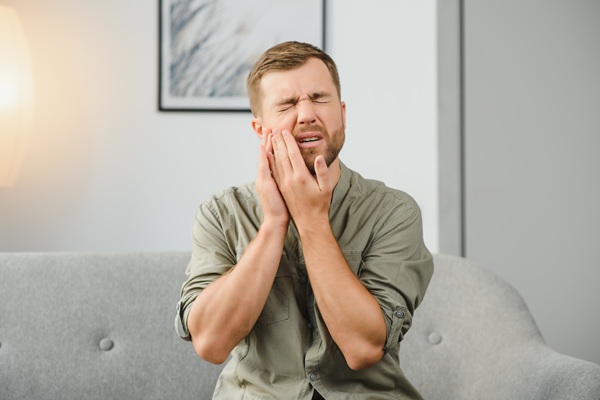
TMJ treatment is an important service general dentists offer for patients experiencing pain or discomfort in their temporomandibular joint (TMJ), which connects the jawbone to the skull. TMJ disorders can cause a variety of symptoms, including jaw pain, headaches, and difficulty with chewing or speaking. Since the symptoms can affect daily activities, it is crucial to seek treatment from a general dentist experienced in diagnosing and managing these issues. This professional can provide effective solutions that help relieve pain and restore function.
What is TMJ, and what causes disorders?
TMJ refers to the temporomandibular joint, which allows the jaw to move up and down, side to side, forward and backward. TMJ disorders occur when this joint is not functioning properly, leading to pain and discomfort. The exact cause of TMJ disorders is not always clear, but common contributing factors include jaw injury, arthritis, teeth grinding, and misalignment of the teeth or jaw.
Some individuals may experience clicking or popping sounds when opening or closing their mouth, while others may have more severe symptoms such as jaw locking, pain in the neck or shoulders, and frequent headaches. When these symptoms arise, it is important to consult with a general dentist to determine the underlying cause and appropriate treatment plan.
How a general dentist can provide TMJ treatment
A general dentist can offer several treatment options for managing TMJ disorders. The dentist will thoroughly examine the patient's jaw, teeth, and bite alignment. They may also use X-rays or other imaging techniques to assess the temporomandibular joint and detect any signs of structural issues or damage. After diagnosing the issue, the dentist will recommend the most effective course of action to alleviate pain and restore function.
For many patients, conservative treatments such as bite adjustments or splints are sufficient to manage TMJ pain. A custom-designed oral appliance, often called a splint or night guard, can be worn to help realign the jaw and prevent teeth grinding. These appliances reduce the strain on the TMJ and protect the teeth from damage resulting from grinding, a common cause of TMJ discomfort.
Alternative TMJ treatments
A general dentist may suggest additional interventions if conservative treatments do not provide adequate relief. For example, misalignment of the teeth or bite contributes to the problem. In that case, the dentist may recommend orthodontic treatment, such as braces or clear aligners, to help correct the bite and improve TMJ function. In some cases, dental restorations like crowns or bridges may be necessary to address tooth wear or misalignment issues.
In addition to dental treatments, a general dentist must also recommend physical therapy, stress management techniques, or medications to further alleviate pain and inflammation associated with TMJ disorders. Physical therapy can help improve jaw function and reduce muscle tension, while medications such as anti-inflammatories or muscle relaxants may be used to manage pain during recovery.
Schedule a consultation
TMJ treatment from a general dentist offers effective solutions for individuals experiencing jaw pain and discomfort. If you have questions or concerns about your TMJ, contact our office. We can schedule an appointment with our general dentist to determine the most effective treatment plan.
Request an appointment here: https://www.jamaicadentalny.com or call Jamaica Queens Dental at (718) 416-6427 for an appointment in our Richmond Hill office.
Check out what others are saying about our dental services on Yelp: TMJ Treatment in Richmond Hill, NY.
Related Posts
Disorder of the temporomandibular joint, or TMJ, is a condition that can cause difficulty with jaw functions. The disorder can cause jaw pain that restricts how you open and close your mouth. You might notice clicking sounds or jaw locking when eating, talking or yawning. Continue reading to learn more about the symptoms, diagnosis and…
Considering Invisalign® after a tooth relapse? In orthodontics, a tooth relapse occurs when the teeth go back to being crooked after braces treatment. When this happens, it can be easy to want to just ignore it and move on; however, oral health and hygiene are both put back at risk when the teeth are crooked.…
An abscessed tooth is a painful and serious dental condition that requires immediate care from an emergency dentist. This condition develops when a bacterial infection forms inside the tooth or gum, leading to swelling, pain, and sometimes fever. Without prompt treatment, the infection can spread to other areas of the body, making early intervention critical…
Tooth implants, or dental implants, are a common tooth-replacement option that uses an abutment and a prosthetic, such as a crown, bridge, or fixed dentures. There are three parts to the tooth implant process; however, surgery is required only for the placement of the implants. The other parts involve preparation and restoration. The word "surgery"…