Why You Should Not Fear the Surgery to Get Tooth Implants
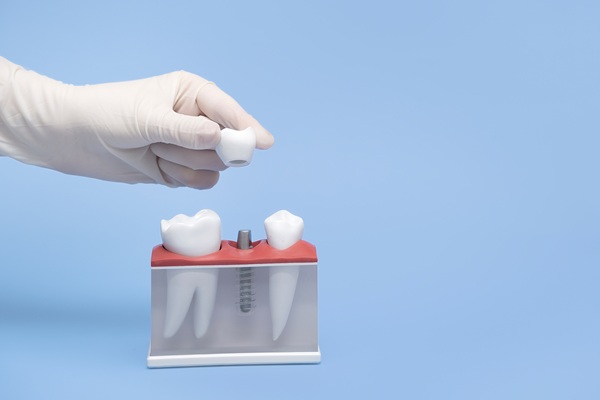
Tooth implants, or dental implants, are a common tooth-replacement option that uses an abutment and a prosthetic, such as a crown, bridge, or fixed dentures. There are three parts to the tooth implant process; however, surgery is required only for the placement of the implants. The other parts involve preparation and restoration. The word "surgery" often sparks fear in people as it implies that there will be discomfort afterward. While surgery can cause pain, tooth implant surgery is relatively simple and streamlined, so there is nothing to be afraid of, particularly when working with an experienced dental professional.
Overcoming the fear of tooth implant surgery
Below is a quick overview of tooth implant surgery and what dentists say about fear around the procedure. This information can be helpful to review when preparing for an upcoming tooth implant procedure.
A quick overview of tooth implants
Tooth implants are used to replace the missing tooth's structure, also known as the roots. The implant itself is made of titanium and shaped like a screw. After the placement surgery, the general dentist will attach an abutment and the artificial tooth, which is a dental crown for a single replacement or a bridge for multiple teeth. If an entire arch is needed, the general dentist may recommend fixed dentures that attach to the implants.
The procedure
It is important to understand the tooth implant procedure to see why there is nothing to be afraid of. To start, the patient is medicated with a local anesthetic to ensure that they are comfortable and do not feel the pain of the procedure. Next, the dentist places the tooth implant beneath the gums and into the jawbone, where it will eventually fuse with the bone. Lastly, the gums are sutured to ensure that the wound heals properly. The patient is then sent home to recover and begin the process of osseointegration.
Why there is no need to be afraid
While surgery is required for tooth implant placement, it is important to know about the sedation options and medications available beforehand. This means patients feel no pain during the procedure. Afterward, there will be discomfort and soreness; however, those are also remedied with pain management, such as over-the-counter medication and using ice to numb the treatment area. While the process of osseointegration takes a few months, the wound typically heals quickly.
As far as the safety of the procedure, dentists have revolutionized the way oral surgeries are done. Safer techniques and methods have been implemented to ensure that there is no risk of infection or damage when placing the actual tooth implants.
Find out more from a general dentist
Are you still feeling anxious or afraid about tooth implant placement? Talking directly with a general dentist can be helpful. They can provide insight into each patient's specific situation. Additionally, questions and concerns can be properly addressed. Reach out today to schedule an appointment or learn more about tooth implants.
Request an appointment here: https://www.jamaicadentalny.com or call Jamaica Queens Dental at (718) 416-6427 for an appointment in our Richmond Hill office.
Check out what others are saying about our dental services on Yelp: Tooth Implants in Richmond Hill, NY.
Related Posts
The placement of dental implants is an intricate process involving the insertion of titanium posts into the jawbone. The posts mimic the functions of the natural tooth roots by fusing to the jawbone and support the replacement tooth attached to them. The process involves multiple dental implants, but the process is generally worth the trouble.…
Teeth whitening has become one of the most popular cosmetic dental treatments, and many patients choose at-home options because they offer convenience without sacrificing professional oversight. Unlike over-the-counter products, professionally provided whitening systems combine customized treatment with predictable results. A dentist often recommends the right whitening approach based on each patient's goals, oral health, and…
A smile makeover offers a fresh start for anyone looking to boost their confidence with a more radiant, balanced appearance. Oftentimes, this transformation involves much more than just a quick fix or a surface-level change. Choosing the right dentist ensures your plan respects the unique anatomy and overall goals.Dream results begin with a healthy foundation…
Endodontics treatment, which is the treatment of the tooth's inner pulp and structures, is one of the most efficient ways to save decaying or damaged teeth. Many individuals, however, get anxious when they learn they need it. This is mostly due to the widespread misconception that undergoing endodontic treatment is unpleasant. It is incorrect —…