5 Common Issues With Dental Crowns and How to Fix Them
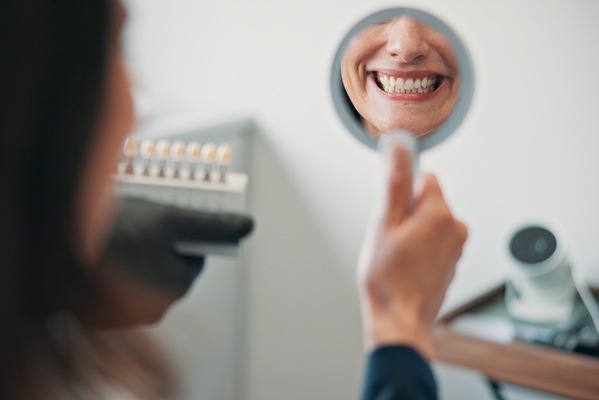
Dental crowns are an essential restorative treatment for patients who need to protect or strengthen a damaged tooth. However, like any dental restoration, crowns can encounter issues over time. Understanding these common issues and how to address them can help ensure a longer-lasting and more comfortable restoration.
1. Poor fit and discomfort
One of the most common problems with dental crowns is an improper fit. A crown not fitting snugly over the prepared tooth can cause discomfort, sensitivity, or further damage. If a dental crown feels too tight or loose, it can cause pain when chewing or may cause gum irritation.
Solution: If a patient experiences discomfort, it is important to schedule a follow-up appointment. The dentist can assess the crown's fit and adjust it to ensure it sits properly. A new impression may be taken to ensure the crown fits better if necessary.
2. Crown damage or chipping
While dental crowns are durable, they can still chip or crack under pressure. This is particularly true for porcelain crowns, which, while aesthetically pleasing, can be more fragile than other materials like metal or ceramic.
Solution: Depending on the extent of the damage, we may repair a crown without replacing it. For minor chips, the dentist may be able to smooth and reshape the crown. In more severe cases, the crown may need replacing to restore its integrity and appearance.
3. Tooth decay beneath the crown
Over time, the seal between the dental crown and the tooth it covers can break down. When this happens, bacteria can seep beneath the crown, potentially leading to tooth decay or an infection in the underlying tooth.
Solution: If tooth decay is under the crown, the dentist may need to remove the crown to examine the tooth and clean out any decay. In some cases, the underlying tooth may require a filling or additional treatment before the dentist places the new crown.
4. Gum irritation or recession
Sometimes, a dental crown can cause gum irritation or recession around the area where it meets the tooth. This can happen due to a poorly fitting crown or because the material used in the crown is irritating the gum tissue.
Solution: A dentist can assess the situation to determine if the crown needs to be adjusted or replaced. Special treatments may sometimes be necessary to help heal the gums and prevent further recession. Switching to a more biocompatible material, such as porcelain, may also help reduce irritation.
5. Misalignment and bite issues
A dental crown not properly aligned with the surrounding teeth can cause misalignment issues, affecting the patient's bite. This can lead to difficulty chewing, jaw discomfort, and even long-term damage to other teeth.
Solution: A dentist can adjust the crown's position if a patient experiences bite problems after getting a dental crown. This may involve reshaping the crown or creating a new one that fits more comfortably within the patient's bite.
Get started today
By addressing these common dental crown issues promptly, patients can maintain optimal oral health and enjoy the full benefits of their restoration. Regular dental checkups are key to identifying problems early and preventing complications. For more information or to schedule a consultation, call or visit Jamaica Queens Dental.
To schedule a consultation, request an appointment on our website at https://www.jamaicadentalny.com or call Jamaica Queens Dental at (718) 416-6427 for an appointment in our Richmond Hill office.
Check out what others are saying about our dental services on Yelp: Dental Crowns and Dental Bridges in Richmond Hill, NY.
Related Posts
CEREC® crowns offer a convenient way to restore damaged teeth. Not only are they strong and durable, but they are also an excellent option for patients who want natural-looking results in less time. This chairside technology uses digital scanning and in-office milling to design and place custom ceramic crowns in a single visit. A general,…
A dental bridge may be the right option when a missing tooth starts to affect chewing, speech, or the alignment of nearby teeth. Gaps in the smile can do more than change appearance. Over time, surrounding teeth may drift into the open space, affecting the bite and making cleaning more difficult. A general dentist can…
Dentures can restore a complete smile and make everyday eating and speaking easier, but they still need regular professional attention. Changes in fit, comfort, or appearance may signal that an adjustment or repair is necessary. A general dentist can evaluate the problem and help protect the gums, jaw, and remaining teeth.Dentures experience daily pressure from…
Teeth whitening has become one of the most popular cosmetic dental treatments, and many patients choose at-home options because they offer convenience without sacrificing professional oversight. Unlike over-the-counter products, professionally provided whitening systems combine customized treatment with predictable results. A dentist often recommends the right whitening approach based on each patient's goals, oral health, and…