Do Oral Appliances Work for Sleep Apnea?
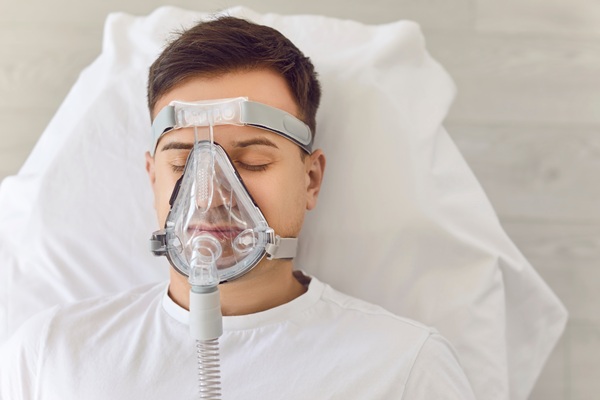
Oral appliances are usually recommended as an alternative to CPAP for sleep apnea treatment. These devices are custom made for patients by the general dentist using the mouth’s impressions. Oral appliances are not only effective for sleep apnea, but they are also sometimes good for stopping snoring.
How oral appliances for sleep apnea work
Most oral devices work by shifting the jaw forward. These are called mandibular advancement devices or jaw advancing devices and increase the size of the air passages, consequently reducing air resistance or inhibitions that cause sleep apnea and snoring. Some of these devices allow the patient to modify the extent to which the jaw is moved for comfort and functionality.
Another type of sleep apnea oral appliance is the tongue-retaining device. This consists of a splint that holds the tongue in position to ensure that the air passage stays open throughout sleep. Although anti-snoring devices work similarly, patients suffering from sleep apnea need to use a device designed specifically for their condition.
How effective are oral appliances for sleep apnea?
Although CPAP is the most popular treatment option, oral appliances are quickly becoming more common, as research proves their efficiency in treating mild to moderate cases of sleep apnea and snoring. Oral devices are typically used as a replacement for sleep apnea surgery and CPAP machines because they are more cost-effective and less invasive. The device can even be recommended in conjunction with a weight loss program for overweight patients.
While not all patients can get sleep apnea mouthpieces, as they are typically more effective for mild to moderate cases, they might also be usable for patients with severe sleep apnea who have trouble tolerating CPAP machines. It is crucial for patients to work with their dentist to know if the treatment would be suitable for them.
After the patient gets the oral device, the dental professional may request a sleep study to determine the treatment’s efficiency. Follow-up care is important to ensure that the patient is getting the appropriate treatment.
Benefits of oral appliances
By using the oral devices consistently and according to the dentist’s guidance, patients can enjoy the benefits of the treatment for sleep apnea. Most people start to notice improvements in their sleep apnea after the first night of use. Since the use of sleep apnea devices is easy and comfortable, there is a better compliance rate with the device than CPAP machines. Other benefits of oral appliances include:
- Convenience: The devices are compact and easy to carry
- Discreet: The mouthpiece stays in the mouth and is invisible to others
- Less hassle: Unlike CPAP devices, oral appliances do not need electricity and therefore, do not need to be plugged into a wall to work, making them more comfortable and cheaper to use
Get an oral appliance from the dentist
The first step to take for any sleep apnea treatment is speaking with the general dentist. Be sure to discuss your symptoms when you visit the dental office. You might need to undergo a sleep study, and if you get a diagnosis for sleep apnea, the dental professional will discuss treatment options, including oral appliances.
Request an appointment here: https://www.jamaicadentalny.com or call Jamaica Queens Dental at (718) 416-6427 for an appointment in our Richmond Hill office.
Check out what others are saying about our dental services on Yelp: Sleep Apnea in Richmond Hill, NY.
Related Posts
Teeth whitening has become one of the most popular cosmetic dental treatments, and many patients choose at-home options because they offer convenience without sacrificing professional oversight. Unlike over-the-counter products, professionally provided whitening systems combine customized treatment with predictable results. A dentist often recommends the right whitening approach based on each patient's goals, oral health, and…
A smile makeover offers a fresh start for anyone looking to boost their confidence with a more radiant, balanced appearance. Oftentimes, this transformation involves much more than just a quick fix or a surface-level change. Choosing the right dentist ensures your plan respects the unique anatomy and overall goals.Dream results begin with a healthy foundation…
Endodontics treatment, which is the treatment of the tooth's inner pulp and structures, is one of the most efficient ways to save decaying or damaged teeth. Many individuals, however, get anxious when they learn they need it. This is mostly due to the widespread misconception that undergoing endodontic treatment is unpleasant. It is incorrect —…
A dental bridge may be the right option when a missing tooth starts to affect chewing, speech, or the alignment of nearby teeth. Gaps in the smile can do more than change appearance. Over time, surrounding teeth may drift into the open space, affecting the bite and making cleaning more difficult. A general dentist can…